An industrial wastewater treatment and water-reuse project in a zero-carbon industrial park required a more stable and energy-efficient aeration strategy.
Industrial wastewater treatment plants often experience significant variations in flow, organic loading, ammonia concentration, water temperature and biological activity. Conventional aeration systems based on fixed airflow, manual adjustment or simple dissolved oxygen feedback may respond too slowly to these changes.
This can result in:
- Excessive aeration and unnecessary energy consumption;
- Insufficient oxygen during peak loading;
- Uneven airflow distribution between treatment zones;
- Frequent blower and control-valve adjustments;
- Unstable dissolved oxygen levels;
- Oxygen carryover into downstream anoxic zones.
A precision aeration control system provides a more responsive solution. It combines online monitoring, oxygen-demand calculations, zoned airflow distribution and blower coordination to match air supply with the actual requirements of the biological process.
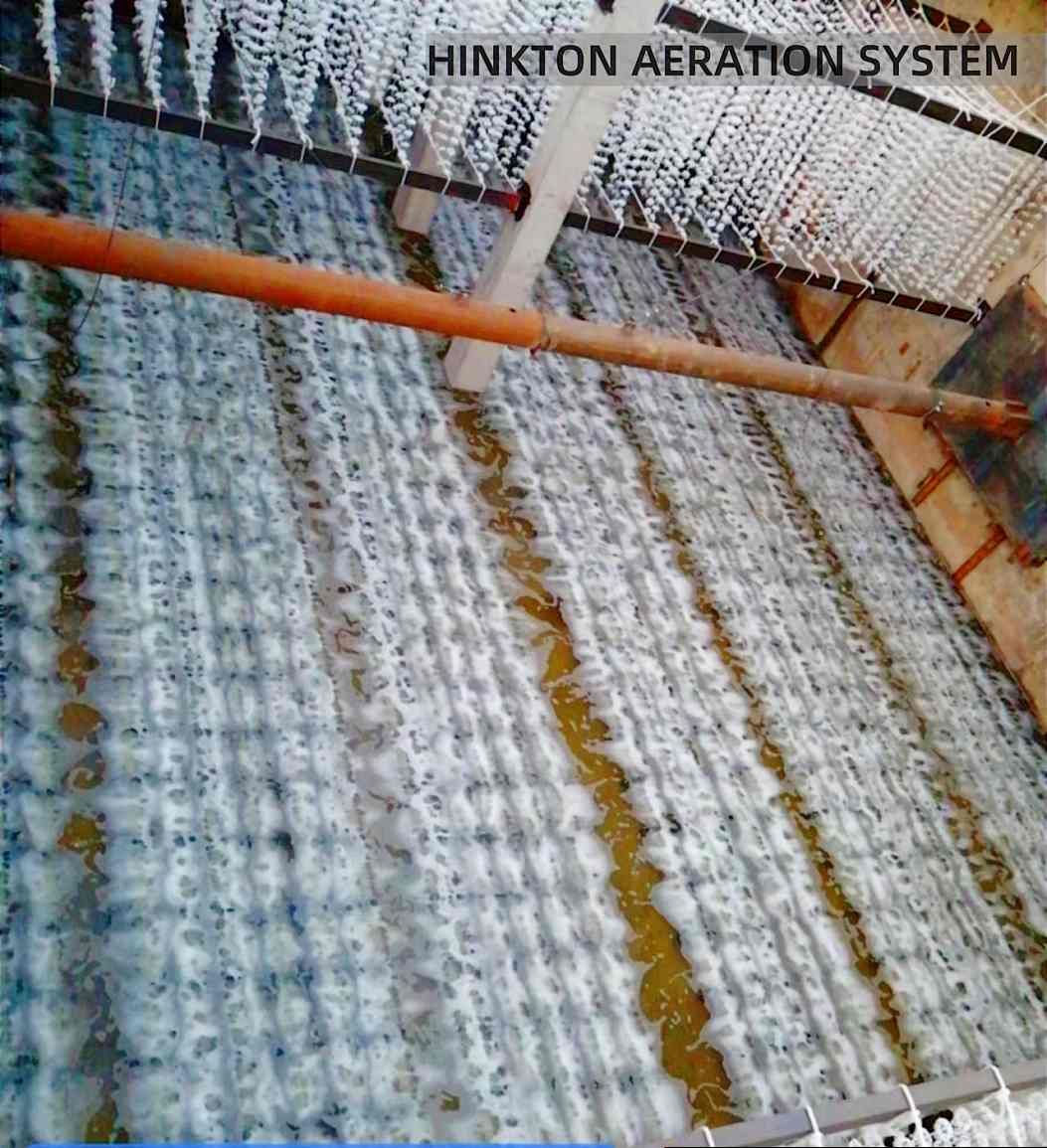
Precision Aeration System Configuration
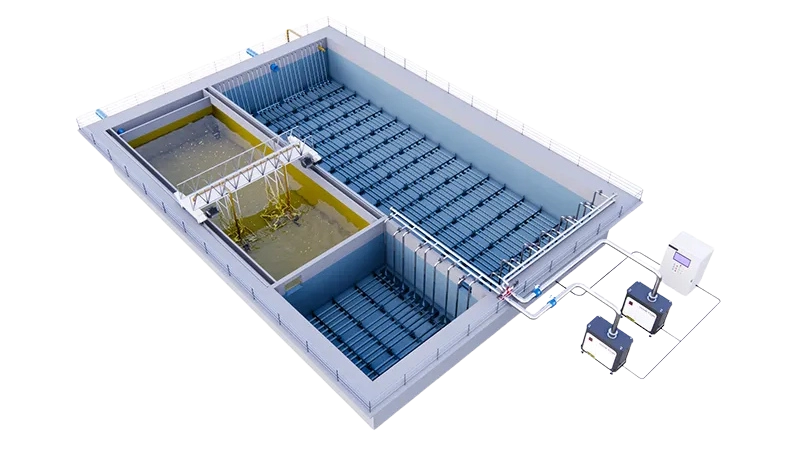
The system architecture included:
- A PLC-based aeration control panel;
- Dissolved oxygen sensors in the aerobic zones;
- Online mixed-liquor suspended solids monitoring;
- Airflow meters for the main header and individual branches;
- Motorized airflow control valves;
- A blower coordination interface;
- Data visualization, alarms and operating records;
- Backup logic for instrument or equipment failures.
Each aeration zone received an independently calculated airflow target. The control system adjusted the branch valves while coordinating the total airflow supplied by the blowers.
This created a two-level control structure:
- Total airflow control based on the combined oxygen demand of the biological process;
- Zone airflow distribution based on the operating conditions of each aerobic section.
From DO Feedback to Oxygen-Demand-Based Control
Traditional dissolved oxygen control reacts after the measured DO value moves away from its setpoint. This feedback-only approach may produce delayed responses when the incoming wastewater load changes rapidly.
A precision aeration control system combines feedforward and feedback control.
The feedforward calculation uses available operating data, such as:
- Influent flow;
- Organic and ammonia loading;
- Water temperature;
- MLSS concentration;
- Current airflow;
- Biological process conditions.
These inputs help estimate the oxygen uptake rate and predict the airflow required during the next control period. Actual dissolved oxygen and airflow measurements are then used to correct the calculated targets.
The control sequence can be summarized as:
Process data → oxygen-demand calculation → zone airflow targets → valve and blower adjustment → DO feedback correction
This approach allows the aeration system to respond to actual biological demand instead of relying only on the remaining dissolved oxygen concentration.
Zoned and Tapered Aeration
Oxygen demand is not uniform throughout an activated-sludge tank. Organic pollutants and ammonia are gradually removed along the treatment path, so the upstream aerobic zones commonly require more oxygen than the downstream zones.
Applying the same aeration intensity to every section may cause insufficient oxygen at the inlet and excessive aeration near the outlet.
With a precision aeration control system, each aerobic section can be equipped with independent dissolved oxygen monitoring, airflow measurement and airflow regulation.
This zoned and tapered aeration strategy can help:
- Match airflow to the oxygen demand of each zone;
- Improve dissolved oxygen stability;
- Reduce unnecessary downstream aeration;
- Limit oxygen carryover into anoxic treatment stages;
- Improve air distribution across the biological tanks;
- Support more stable nitrogen removal.
Zoned control is especially valuable for industrial wastewater plants with fluctuating influent characteristics.
Blower and Air Distribution Coordination
Accurate branch-valve control alone cannot deliver efficient aeration. The blowers must also supply an appropriate total volume of air.
If blower output is significantly higher than the combined demand of the aeration zones, the system may operate at excessive pressure and waste energy. If the available airflow is too low, the individual control zones cannot maintain their dissolved oxygen targets.
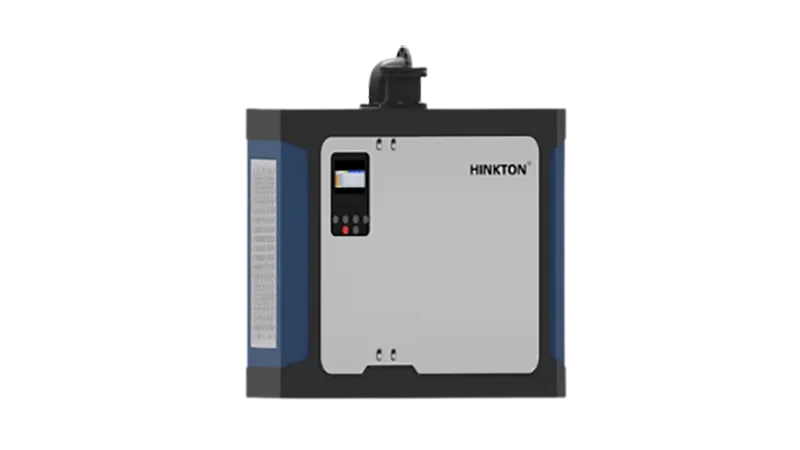
The precision aeration control system therefore calculates the combined airflow requirement and sends a total airflow target to the blower coordination panel. The blowers respond to the overall demand, while the branch valves distribute the available air between the aeration zones.
The control logic must also consider:
- Blower operating ranges;
- Minimum and maximum airflow;
- Blower start-stop sequences;
- Air-header pressure;
- Flow-tracking response time;
- Safe equipment operating limits.
The U.S. Environmental Protection Agency identifies aeration as one of the most energy-intensive processes in wastewater treatment. Its guidance recommends evaluating aeration equipment and automatic dissolved oxygen control as part of wastewater energy-efficiency improvement. See the EPA Energy Efficiency Guide for Water and Wastewater Facilities.
Backup Control and Operational Reliability
Wastewater treatment plants must operate continuously. A practical smart aeration system therefore needs reliable backup logic in addition to its normal automatic control functions.
Potential abnormal conditions include:
- Dissolved oxygen sensor failure;
- Missing or unreliable airflow readings;
- Control-valve malfunction;
- Communication interruption;
- A single aeration zone being removed from automatic control;
- A blower being unable to follow the airflow target.
When an instrument or controlled device fails, the affected zone can be switched to a predefined backup or manual operating mode. The remaining aeration zones can continue operating automatically.
The system can also limit the frequency and magnitude of valve adjustments. Smoother control reduces unnecessary actuator movement and may extend the service life of the valves and blowers.
Key Benefits of Precision Aeration Control
A properly designed precision aeration system can provide several operational benefits.
Lower aeration energy consumption
Aeration is normally one of the largest energy consumers in a wastewater treatment plant. Supplying air according to real biological demand helps reduce continuous over-aeration.
More stable biological treatment
Maintaining appropriate dissolved oxygen conditions supports biological activity and improves the plant’s ability to respond to variations in flow and pollutant loading.
Improved airflow distribution
Independent monitoring and control of each air branch can reduce uneven air distribution between tanks and treatment zones.
Reduced equipment wear
More stable airflow targets may reduce frequent blower and valve movements, lowering mechanical stress on the equipment.
Better operating data
Records of dissolved oxygen, MLSS, airflow, valve position and blower operation provide useful information for process analysis, maintenance and future optimization.
Actual energy savings depend on the original operating conditions, process loading, blower performance, diffuser efficiency and control settings. They should therefore be verified using operating data before and after system optimization.
Why Fine Bubble Diffusers Matter
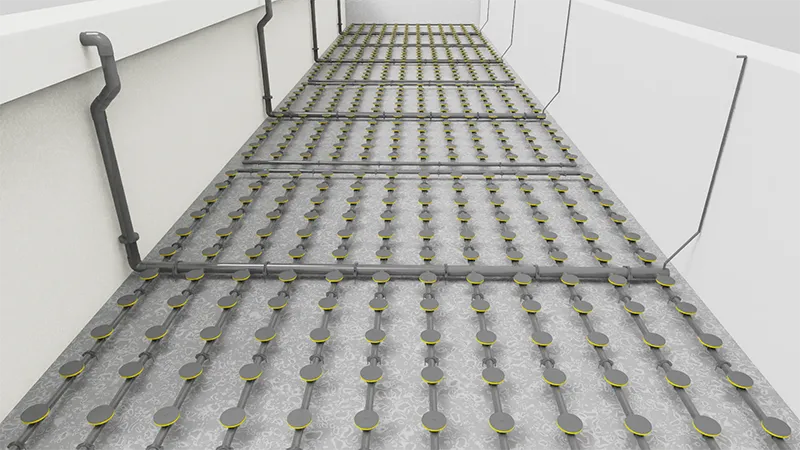
The control system determines how much air should be supplied, but the diffusers determine how efficiently that air is transferred into the wastewater.
A precision aeration control system cannot achieve its full potential if the aeration equipment has:
- Clogged or aged diffuser membranes;
- Uneven diffuser resistance;
- Inappropriate diffuser density;
- Poor air-header design;
- Insufficient mixing;
- Diffusers operating outside their recommended airflow range.
The aeration equipment and control system should therefore be designed as one integrated solution.
Important design factors include:
- Standard and actual oxygen transfer requirements;
- Diffuser oxygen transfer efficiency;
- Biological tank depth and geometry;
- Minimum and maximum airflow per diffuser;
- Membrane compatibility with the wastewater;
- Air distribution and pressure loss;
- Blower operating range;
- Maintenance and replacement requirements.
HINKTON Aeration System Support
HINKTON supplies fine bubble disc diffusers, tube diffusers, aeration hoses and retrievable aeration systems for municipal and industrial wastewater treatment.
For projects using precision aeration control, HINKTON can support:
- Oxygen-demand and airflow calculations;
- Diffuser selection and quantity calculation;
- Diffuser layout for individual control zones;
- Airflow-range verification;
- Aeration-system pressure-loss analysis;
- Air-header and distribution-pipe design;
- Coordination between diffusers, blowers, valves and airflow meters;
- Upgrades of existing biological tanks;
- Retrievable aeration solutions for tanks that cannot be easily drained.
Combining efficient fine bubble diffusers with demand-based airflow control can improve oxygen transfer, dissolved oxygen stability and overall aeration energy efficiency.
Conclusion
Precision aeration is not simply a matter of adding dissolved oxygen sensors or automatic valves. It requires coordinated design of the biological process, oxygen-demand calculations, blowers, airflow control, piping and diffusers.
For industrial wastewater treatment plants facing variable loading, high aeration energy consumption or uneven dissolved oxygen distribution, a precision aeration control system provides a practical path toward more stable and efficient operation.
HINKTON works with engineering companies, wastewater treatment plants and system integrators to provide aeration equipment selection, airflow calculations, diffuser layouts and biological tank retrofit support.
This article is a technical application analysis. It does not state that HINKTON supplied the original automation or control system described in the reference project.