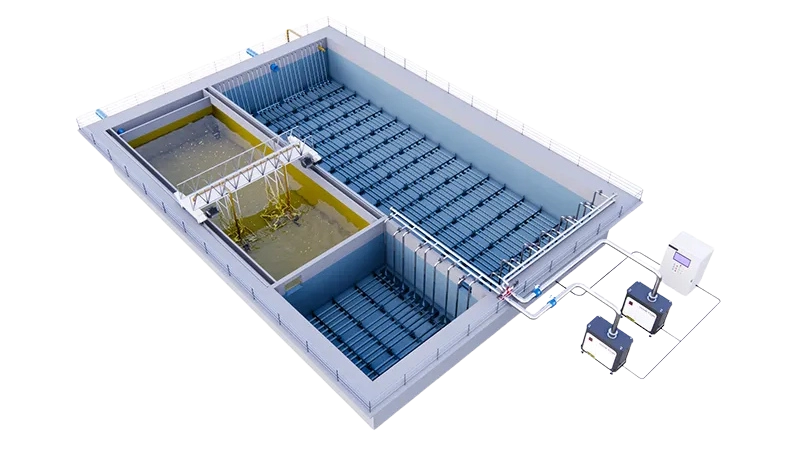
SED® Biological Treatment Process combines simultaneous nitrification and denitrification (SND), dense sludge technology, intelligent aeration control and advanced process optimization to achieve stable effluent quality with lower energy consumption.

Challenges of Conventional Biological Wastewater Treatment
Many wastewater treatment plants face:
High Aeration Energy Consumption
Aeration is usually the largest energy consumer in biological wastewater treatment plants
Poor Nitrogen Removal Performance
Traditional activated sludge systems may struggle with fluctuating loading conditions.
Sludge Bulking Problems
Poor sludge settleability can affect:
- Secondary clarification
- Effluent quality
- Plant stability
Limited Capacity Expansion
Existing WWTPs often require expensive civil expansion when upgrading treatment capacity.
What is SED® Biological Treatment Process?
SED® is an advanced biological wastewater treatment process developed by HINKTON.
It integrates:
- Simultaneous Nitrification and Denitrification (SND)
- Dense sludge technology
- Aeration optimization
- Intelligent process control
to improve biological treatment efficiency.
How Does SED® Achieve Efficient Nitrogen Removal?
① Simultaneous Nitrification and Denitrification (SND)
SED creates controlled dissolved oxygen gradients inside sludge flocs.
Outer aerobic layer:
- Less external carbon requirement
- Better nitrogen removal
- Lower aeration demand
② Dense Sludge Formation
Through biological selection and physical screening, activated sludge gradually develops into dense sludge with better settling performance.
- Better SVI
- Stable operation
- Higher biomass retention
③ Intelligent Process Control
SED integrates:
- Aeration control
- Sludge management
- Process diagnosis
Core Technologies Behind SED®
SND Technology
Efficient nitrogen removal through controlled oxygen distribution.
Dense Sludge Technology
Improved sludge settling and biomass concentration.
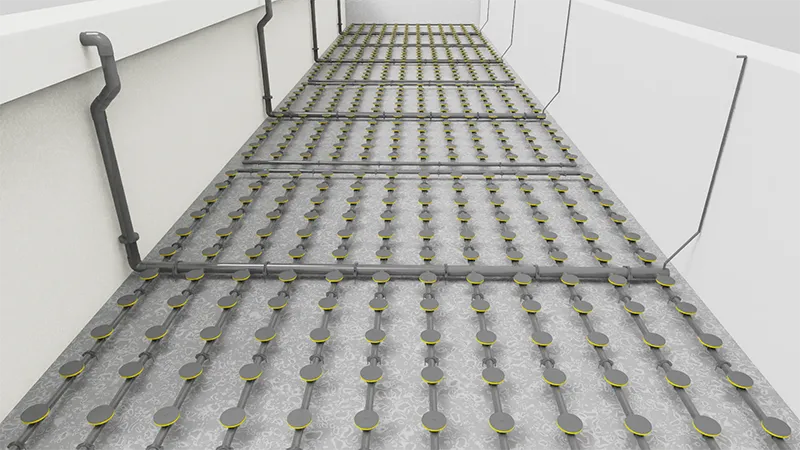
Intelligent Aeration Optimization
Precise DO control reduces unnecessary oxygen supply.
Advanced Equipment Integration
Integrated with:
- WTE aeration system
- InDENSE sludge classification
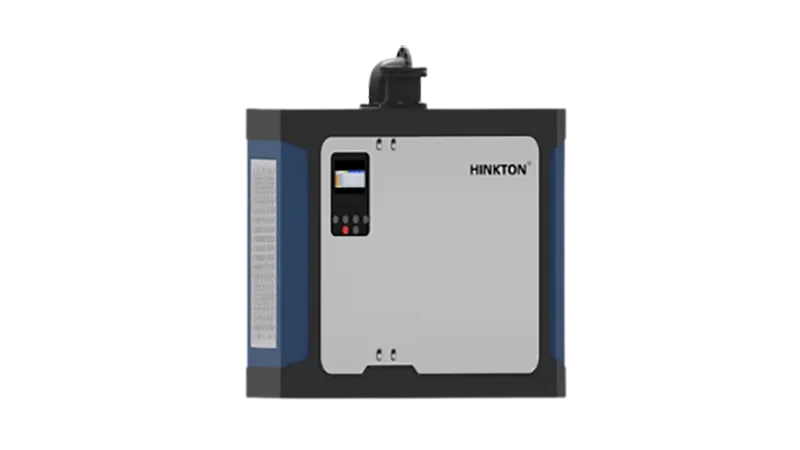
- BOGE blower
- Createch360 control
Why Does SED® Consume Less Energy?
- Conventional system:More oxygen demand→Higher airflow→Higher blower power
- SED:Better oxygen utilization→Lower airflow requirement→Lower blower energy consumption
- Up to 40% Aeration Energy Reduction
SED® vs Conventional AAO Process
| Conventional AAO | SED | |
| Nitrogen removal | Good | Enhanced |
| Sludge settling | Variable | Improved |
| Energy consumption | Higher | Lower |
| Upgrade possibility | Limited | Flexible |
| Control | Traditional | Intelligent |
FAQs
What is SED?
SED is an advanced biological wastewater treatment process combining SND and dense sludge technology.
How does SED reduce aeration energy?
SED improves oxygen utilization efficiency through SND and optimized aeration control.
Can SED retrofit existing WWTP?
Yes. SED can be applied for upgrading existing biological systems depending on site conditions.
Is SED suitable for POME treatment?
Yes. SED can handle industrial wastewater with high organic loading and variable influent conditions.
How much energy can SED save?
SED can achieve significant aeration energy reduction, with savings up to approximately 40% depending on project conditions.