Rubber Wastewater Treatment & Aeration Solutions
Stable aeration for complex and changing wastewater conditions. HINKTON designs rubber wastewater aeration systems and supports fine bubble diffuser replacement and aeration retrofits with practical engineering experience from projects in China.
Fine bubble aeration for high organic loading, latex residues, nitrogen compounds and changing production conditions. HINKTON supports reliable oxygen transfer, stable biological treatment and long-term operation for rubber wastewater plants.
Typical Challenges in Rubber Wastewater Treatment
Production changes, cleaning cycles and equipment condition can all influence biological treatment. A dependable aeration system needs to perform under these real operating constraints.
Rubber processing wastewater may contain high COD, latex and rubber residues, oils, surfactants and chemical additives. A dependable aeration system must respond to these complex and variable treatment conditions.
Variable Wastewater Characteristics
Latex residues, rubber particles, chemical additives and changing production schedules can create changing loads and treatment conditions.
Changing Oxygen Demand
Biological oxygen demand may vary as production conditions change, requiring reliable and flexible aeration performance.
Aging Aeration Equipment
Diffuser fouling, membrane aging and uneven airflow distribution can gradually reduce aeration performance in existing plants.
Retrofit Constraints
Existing facilities may have limited shutdown time, complex tank layouts or restrictions on draining biological tanks.
High Organic Loading
High COD, latex residues and organic compounds increase biological loading and the oxygen required for stable treatment.
Nitrogen Removal
Some rubber wastewater streams contain elevated nitrogen compounds and require stable dissolved oxygen for nitrification.
Variable Wastewater Loading
Changes in flow, organic loading and chemical concentration can disturb dissolved oxygen and sludge settling performance.
Aging Aeration Equipment
Membrane aging, fouling and uneven airflow can reduce oxygen transfer while increasing blower energy consumption.
What Matters in Rubber Wastewater Aeration
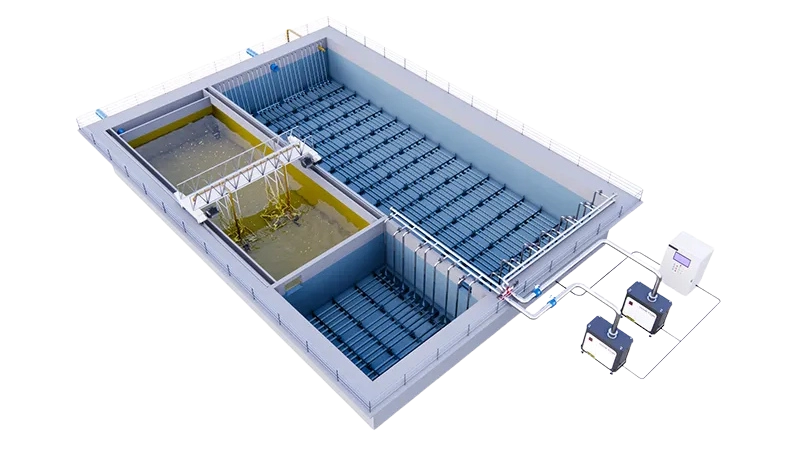
Effective aeration is not simply a matter of supplying more air. The system should support oxygen transfer, suitable mixing and consistent air distribution while matching the actual biological process and site conditions.
For a new installation or retrofit, HINKTON reviews the aeration equipment as part of the wider treatment system rather than as an isolated component.
Key Considerations in Rubber Wastewater Biological Treatment
A stable biological system depends on continuous oxygen availability, healthy sludge performance and efficient use of aeration energy.
Maintaining Stable Oxygen Supply
Aerobic treatment requires oxygen for COD oxidation, organic matter degradation, nitrification and microbial growth. Insufficient aeration can reduce COD removal, weaken sludge activity and destabilize effluent quality.
Preventing Poor Sludge Performance
Proper oxygen distribution, balanced organic loading and effective sludge retention help maintain a healthy microbial environment and reliable settling behavior.
Improving Energy Efficiency
Oxygen demand, tank depth, airflow, diffuser performance and blower conditions should be evaluated together to reduce unnecessary blower operation.
Key design considerations
- Oxygen transfer requirements
- Airflow distribution
- Tank dimensions and water depth
- Wastewater characteristics
- Blower compatibility
- Operating flexibility
- Maintenance accessibility
- Future process changes
Aeration Support for New and Existing Plants
The appropriate solution depends on process requirements, tank configuration, installed equipment and maintenance conditions.
The appropriate configuration depends on oxygen demand, tank layout, operating variability, installed blowers and future maintenance requirements.
Fine Bubble Aeration Systems
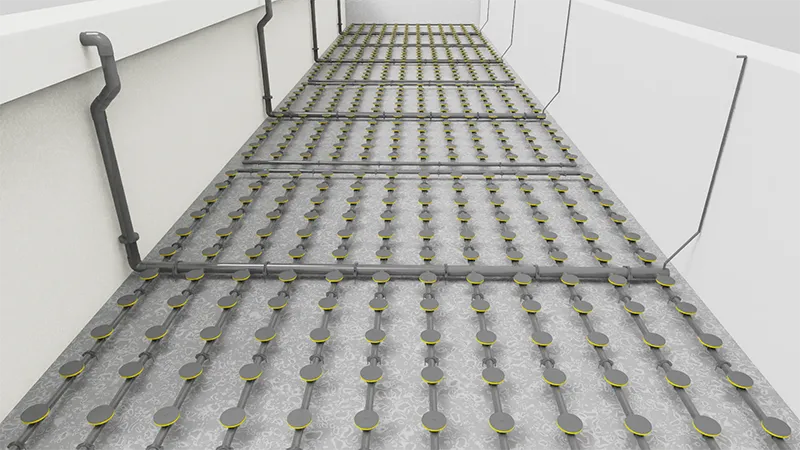
Diffuser selection, layout and air distribution support for new biological treatment tanks, coordinated with process demand and available blower capacity.
Fine Bubble Diffuser Replacement
Assessment and replacement options for aged, damaged or fouled diffusers, with attention to existing piping, mounting arrangements and operating conditions.
Aeration System Retrofit
Practical retrofit planning for rubber wastewater plants experiencing uneven aeration, rising air demand or maintenance limitations.
For Large Biological Tanks
Suitable for conventional activated sludge systems and new rubber wastewater projects. Benefits include efficient oxygen transfer, stable fine bubble performance and multiple membrane material options.
For Flexible Aeration Layouts
Suitable for industrial wastewater and retrofit projects. Tube diffusers provide long aeration coverage, flexible installation and reliable operation under variable loading.
For Easier Maintenance
Designed for existing plants requiring diffuser inspection without complete tank drainage, reduced process interruption and practical aeration replacement.
Engineering Support Informed by Real Plant Conditions
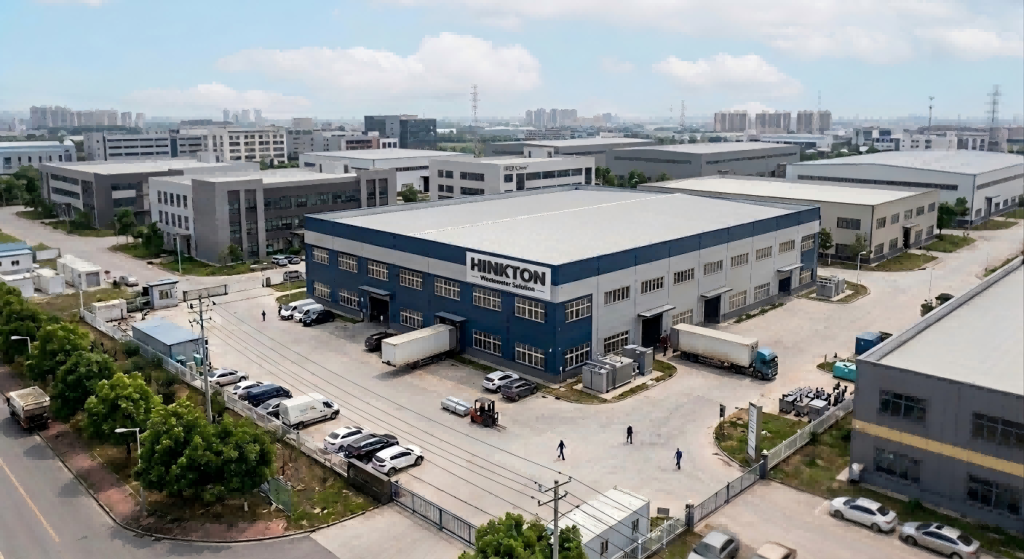
HINKTON’s engineering team in China has supported rubber wastewater treatment projects involving new aeration systems, equipment replacement and retrofit work.
This experience helps us consider the details that affect implementation: variable loading, existing equipment interfaces, tank access, shutdown arrangements and long-term maintenance. Each recommendation is developed around the information available for the specific project.
Existing Plant Retrofit
Recovering Aeration Performance After Long-Term Operation
Common problems include aging diffuser membranes, increased blower energy consumption, reduced oxygen transfer, uneven dissolved oxygen distribution and increasing treatment requirements.
HINKTON reviews current diffuser condition, blower capacity, operating pressure, aeration layout and main operating problems before recommending diffuser replacement, airflow distribution improvement, grid optimization and equipment configuration.
Common Rubber Wastewater Applications
Aeration requirements vary across manufacturing processes. We support system selection and configuration for a range of rubber wastewater applications.
Natural Rubber Processing Wastewater
Support for biological treatment systems handling wastewater from natural rubber processing, latex handling and associated washing operations.
Synthetic Rubber Manufacturing Wastewater
Aeration solutions developed with changing organic loads, oxygen demand and biological process requirements in mind.
Rubber Product Manufacturing Wastewater
System support for mixed wastewater streams from rubber product production, equipment washing and general manufacturing activities.
Natural Rubber Processing Wastewater
For high organic loading, latex residues, nitrogen compounds and variable wastewater characteristics. Focus: stable biological treatment, reliable oxygen supply and improved process stability.
Synthetic Rubber Manufacturing Wastewater
For complex organic compounds, chemical additives and variable production conditions. Focus: efficient oxygen transfer, biological process support and flexible operation.
Rubber Product Manufacturing Wastewater
For oil and chemical residues, suspended solids and fluctuating discharge. Focus: aeration optimization, stable COD removal and long-term reliability.
Retrofit Solutions Built Around Site Constraints
Replacing an aeration system in an operating rubber plant requires more than choosing a diffuser. Available shutdown time, tank access, existing headers, blower performance and installation sequencing all affect the practical solution.
HINKTON can review available drawings, operating information and site conditions to help define a compatible retrofit approach. Where full drainage or extended shutdown is difficult, alternative installation concepts can be evaluated according to project conditions.
Common retrofit signals include aging membranes, increasing blower energy, reduced oxygen transfer, uneven dissolved oxygen and higher treatment requirements.
HINKTON reviews diffuser condition, blower capacity, operating pressure, aeration layout and current operating problems before recommending diffuser replacement, airflow improvement or grid optimization.
Information that helps us assess your project
- Tank drawings and dimensions
- Existing diffuser layout
- Blower specifications
- Current airflow data
- Wastewater and process data
- Observed operating issues
- Shutdown limitations
- Maintenance requirements
- Wastewater characteristics
- Treatment capacity
- Tank dimensions and water depth
- Existing diffuser layout
- Blower specifications
- Current airflow and pressure
- Observed operating issues
- Shutdown limitations
From Project Information to Practical Support
A clear process helps align equipment selection with the treatment system and the realities of installation.
Application-Based Design
How HINKTON Develops a Suitable Aeration Configuration
Each recommendation is based on the wastewater, biological process, tank geometry and existing air supply conditions.
Project Review
We review process data, tank information, existing equipment and the operating objective.
Technical Evaluation
Our team considers oxygen demand, airflow distribution, diffuser arrangement and equipment compatibility.
Solution Proposal
We prepare a suitable equipment or retrofit proposal based on the available project information.
Delivery & Support
We support equipment supply, installation coordination and technical communication through project delivery.
Wastewater Review
Evaluate wastewater characteristics, treatment capacity and the biological process.
System Assessment
Review tank dimensions, water depth, existing diffusers and blower conditions.
Configuration
Prepare diffuser selection, oxygen demand, airflow and aeration layout recommendations.
Technical Support
Provide equipment configuration suggestions, documentation and project coordination.
A Practical Approach to Aeration Projects
Support for New and Existing Rubber Wastewater Plants
Application Understanding
Experience with the operating conditions and project constraints found in rubber wastewater treatment.
System-Level Review
Attention to diffusers, air distribution, blowers, tank geometry and the biological process as a connected system.
New Build & Retrofit Support
Solutions for new installations, equipment replacement and upgrades to existing aeration systems.
Clear Technical Communication
Practical coordination from initial information review through equipment supply and project support.
New Treatment Systems
Aeration configurations for new rubber wastewater biological treatment projects.
Existing Plant Retrofits
Diffuser replacement, airflow improvement and aeration grid optimization.
Biological Process Upgrades
Support for improved oxygen transfer, process stability and treatment capacity.
Engineering Support
Diffuser selection, oxygen demand evaluation, airflow assessment, layout support and technical documentation.
Rubber Wastewater Aeration FAQ
Answers to common questions about aeration design, diffuser selection and retrofit planning for rubber wastewater treatment.
Why is aeration important in rubber wastewater treatment?
Aeration supplies oxygen to the microorganisms used in aerobic biological treatment. Because rubber wastewater composition and organic loading can change between production schedules and processing conditions, reliable oxygen transfer and air distribution help the biological process respond to changing demand.
Which diffusers are suitable for rubber wastewater?
The appropriate diffuser depends on oxygen demand, wastewater characteristics, tank depth, airflow range, maintenance requirements and the biological process. Fine bubble disc, tube or panel diffusers may be considered after the complete aeration system and operating conditions have been reviewed.
When should an existing aeration system be evaluated for retrofit?
Common reasons include uneven bubbling, increasing blower demand, declining dissolved oxygen, recurring membrane damage, fouling or difficulty maintaining the installed equipment. These symptoms should be assessed together with process data because they can have more than one cause.
What information is needed to prepare an aeration proposal?
Useful information includes tank dimensions and water depth, treatment capacity, influent and effluent data, oxygen demand, biological process type, existing blower data, diffuser layout and any shutdown or installation constraints.
Can HINKTON support both new plants and existing installations?
Yes. HINKTON supports new fine bubble aeration systems as well as diffuser replacement and retrofit projects. Recommendations are developed around the process requirements, existing equipment interfaces and practical site conditions provided for each project.
Planning a Rubber Wastewater Aeration Project?
Share your process requirements, tank information or current operating concerns. Our team can review the available details and discuss a suitable next step.
Improve Rubber Wastewater Treatment Performance
Share your wastewater characteristics, treatment capacity, tank dimensions, existing aeration system and blower requirements. HINKTON can help evaluate a suitable next step.